Buy kammer.eu ?
We are moving the project
kammer.eu .
Are you interested in purchasing the domain
kammer.eu ?
domain@kv-gmbh.de · 0541-91531010
Buy kammer.eu ?
Is the film peeling off the kitchen furniture?
No, the film is not peeling off the kitchen furniture. **
How do I remove the protective film from new furniture?
To remove the protective film from new furniture, start by locating the edge of the film. Gently peel back the film, making sure not to apply too much force to avoid damaging the furniture. If the film is stubborn, you can use a hairdryer on a low heat setting to help loosen the adhesive. Once the film is completely removed, use a damp cloth to wipe down the surface and remove any residue. **

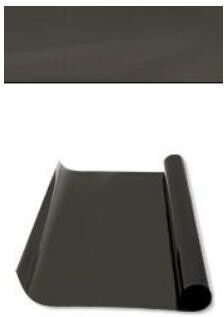
Similar search terms for Film
Top-Angebote
Products related to Film:
-
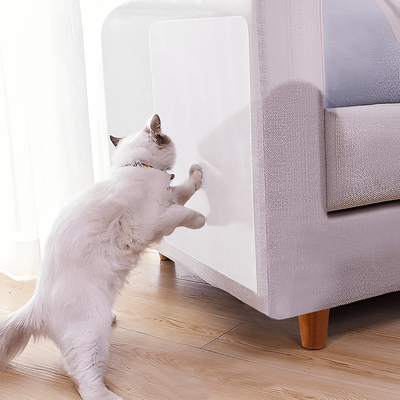
HomeDecorAndMore LLC Furniture Anti Cat Scratch Film Tape Protector Furniture Anti Cat Scratch Film Tape ProtectorScratching furniture is a natural instinct for pets. It ruins the whole look of sofacouch and makes it look old. So if you’re looking for a way to ensure your furniture protection, this Furniture Anti Cat Scratch Film Tape Protector will prove...27,97 $*Shipping: 0,00 $Secure redirect to the provider


-
Is it worth protecting wooden furniture with film when moving?
Yes, it is worth protecting wooden furniture with film when moving. The film can help prevent scratches, dents, and other damage that can occur during the moving process. It can also help keep the furniture clean and free from dust and dirt. Additionally, the film can provide an extra layer of protection against moisture and humidity, which can be particularly important if the furniture will be stored for a period of time during the move. Overall, using film to protect wooden furniture can help ensure that it arrives at its destination in good condition. **
-
Does the film on furniture come off due to heat?
Yes, the film on furniture can come off due to heat. Excessive heat can cause the adhesive used to apply the film to soften and lose its grip, leading to the film peeling or bubbling. It is important to avoid placing hot items directly on furniture with a film finish to prevent damage. Additionally, prolonged exposure to heat can also cause the film to discolor or warp, further compromising its appearance and integrity. **
-
How can one distinguish between real wood veneer and plastic film with a wood decor?
One way to distinguish between real wood veneer and plastic film with a wood decor is by examining the texture and grain pattern. Real wood veneer will have a natural texture and a unique grain pattern that is not repetitive, while plastic film will often have a more uniform and repetitive pattern. Additionally, real wood veneer will have variations in color and tone, while plastic film may have a more consistent and artificial appearance. Finally, examining the edges of the material can also help distinguish between the two, as real wood veneer will have a thin layer of actual wood on the edges, while plastic film will have a uniform edge with no wood grain. **
-
How do I remove protective film from kitchen furniture after months?
To remove protective film from kitchen furniture after months, you can start by using a hairdryer to gently heat the film, which will make it easier to peel off. Once the film is warmed up, carefully lift a corner and slowly peel it back, being cautious not to damage the furniture surface. If there is any residue left behind, you can use a mild adhesive remover or a mixture of warm water and mild dish soap to gently clean the area. Finally, wipe the surface with a clean, damp cloth to remove any remaining residue and dry it thoroughly. **

Is it worth protecting wooden furniture with film during a move?
It can be worth protecting wooden furniture with film during a move to prevent scratches, dents, and other damage that can occur during transportation. The film can provide a protective barrier against moisture, dust, and other elements that could potentially harm the wood. However, it is important to use the right type of film that is specifically designed for furniture to avoid any potential damage, such as trapping moisture and causing mold growth. Overall, using film to protect wooden furniture during a move can help ensure that your furniture arrives at its destination in good condition. **
For which furniture in the kitchen is self-adhesive film used?
Self-adhesive film is commonly used for covering kitchen cabinet doors and drawers to give them a new look without the need for replacing them. It can also be used on countertops to provide a temporary or budget-friendly update. Additionally, self-adhesive film can be used on kitchen appliances such as refrigerators or dishwashers to change their appearance or protect them from scratches. **
Top-Angebote
Products related to Film:
-
Is the film peeling off the kitchen furniture?
No, the film is not peeling off the kitchen furniture. **
-
How do I remove the protective film from new furniture?
To remove the protective film from new furniture, start by locating the edge of the film. Gently peel back the film, making sure not to apply too much force to avoid damaging the furniture. If the film is stubborn, you can use a hairdryer on a low heat setting to help loosen the adhesive. Once the film is completely removed, use a damp cloth to wipe down the surface and remove any residue. **
-
Is it worth protecting wooden furniture with film when moving?
Yes, it is worth protecting wooden furniture with film when moving. The film can help prevent scratches, dents, and other damage that can occur during the moving process. It can also help keep the furniture clean and free from dust and dirt. Additionally, the film can provide an extra layer of protection against moisture and humidity, which can be particularly important if the furniture will be stored for a period of time during the move. Overall, using film to protect wooden furniture can help ensure that it arrives at its destination in good condition. **
-
Does the film on furniture come off due to heat?
Yes, the film on furniture can come off due to heat. Excessive heat can cause the adhesive used to apply the film to soften and lose its grip, leading to the film peeling or bubbling. It is important to avoid placing hot items directly on furniture with a film finish to prevent damage. Additionally, prolonged exposure to heat can also cause the film to discolor or warp, further compromising its appearance and integrity. **
Similar search terms for Film
-
HomeDecorAndMore LLC Furniture Anti Cat Scratch Film Tape Protector Furniture Anti Cat Scratch Film Tape ProtectorScratching furniture is a natural instinct for pets. It ruins the whole look of sofacouch and makes it look old. So if you’re looking for a way to ensure your furniture protection, this Furniture Anti Cat Scratch Film Tape Protector will prove...27,97 $*Shipping: 0,00 $Secure redirect to the provider
-
Uplift Treasures Wall Mounted Cling Film Storage Rack Set Wall Mounted Cling Film Storage Rack SetProduct Description: Organize your kitchen essentials effortlessly with this Wall Mounted Storage Rack Set. Designed for storing cling film, garbage bags, umbrellas, rolling pins, and other household items, these spacesaving holders attach securely...37,97 $*Shipping: 0,00 $Secure redirect to the provider
-
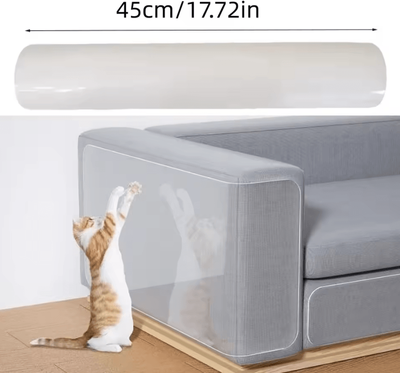
Inspire Curations ClearGuard Transparent Furniture Scratch Protection Film transparent 3mProtect your furniture and walls from scratches, claw marks, and everyday wear with the transparent furniture protector film designed for homes with cats and active pets. Made with durable scratchresistant material, this selfadhesive protective film...88,00 $*Shipping: 0,00 $Secure redirect to the provider
-
How can one distinguish between real wood veneer and plastic film with a wood decor?
One way to distinguish between real wood veneer and plastic film with a wood decor is by examining the texture and grain pattern. Real wood veneer will have a natural texture and a unique grain pattern that is not repetitive, while plastic film will often have a more uniform and repetitive pattern. Additionally, real wood veneer will have variations in color and tone, while plastic film may have a more consistent and artificial appearance. Finally, examining the edges of the material can also help distinguish between the two, as real wood veneer will have a thin layer of actual wood on the edges, while plastic film will have a uniform edge with no wood grain. **
-
How do I remove protective film from kitchen furniture after months?
To remove protective film from kitchen furniture after months, you can start by using a hairdryer to gently heat the film, which will make it easier to peel off. Once the film is warmed up, carefully lift a corner and slowly peel it back, being cautious not to damage the furniture surface. If there is any residue left behind, you can use a mild adhesive remover or a mixture of warm water and mild dish soap to gently clean the area. Finally, wipe the surface with a clean, damp cloth to remove any remaining residue and dry it thoroughly. **
-
Is it worth protecting wooden furniture with film during a move?
It can be worth protecting wooden furniture with film during a move to prevent scratches, dents, and other damage that can occur during transportation. The film can provide a protective barrier against moisture, dust, and other elements that could potentially harm the wood. However, it is important to use the right type of film that is specifically designed for furniture to avoid any potential damage, such as trapping moisture and causing mold growth. Overall, using film to protect wooden furniture during a move can help ensure that your furniture arrives at its destination in good condition. **
-
For which furniture in the kitchen is self-adhesive film used?
Self-adhesive film is commonly used for covering kitchen cabinet doors and drawers to give them a new look without the need for replacing them. It can also be used on countertops to provide a temporary or budget-friendly update. Additionally, self-adhesive film can be used on kitchen appliances such as refrigerators or dishwashers to change their appearance or protect them from scratches. **
* All prices are inclusive of VAT and, if applicable, plus shipping costs. The offer information is based on the details provided by the respective shop and is updated through automated processes. Real-time updates do not occur, so deviations can occur in individual cases. ** Note: Parts of this content were created by AI.