Buy kammer.eu ?
We are moving the project
kammer.eu .
Are you interested in purchasing the domain
kammer.eu ?
domain@kv-gmbh.de · 0541-91531010
Buy kammer.eu ?
Does our brain have unlimited storage capacity?
No, our brain does not have unlimited storage capacity. While the brain is incredibly complex and has the ability to store a vast amount of information, it does have limitations. The exact storage capacity of the brain is not known, but it is believed to be finite. Additionally, as we age, our brain's ability to store and retrieve information may decline, further indicating that it does not have unlimited storage capacity. **
What is the storage capacity of the brain?
The storage capacity of the human brain is not precisely known, but it is estimated to be around 2.5 petabytes (or 2.5 million gigabytes). This estimate is based on the number of neurons in the brain and their potential for forming connections with each other. However, it's important to note that the brain's capacity for storing information is not just about the number of neurons, but also about the complexity of the connections between them. The brain's ability to adapt and reorganize itself also plays a role in its overall storage capacity. **

Similar search terms for Brain
Top-Angebote
Products related to Brain:
-
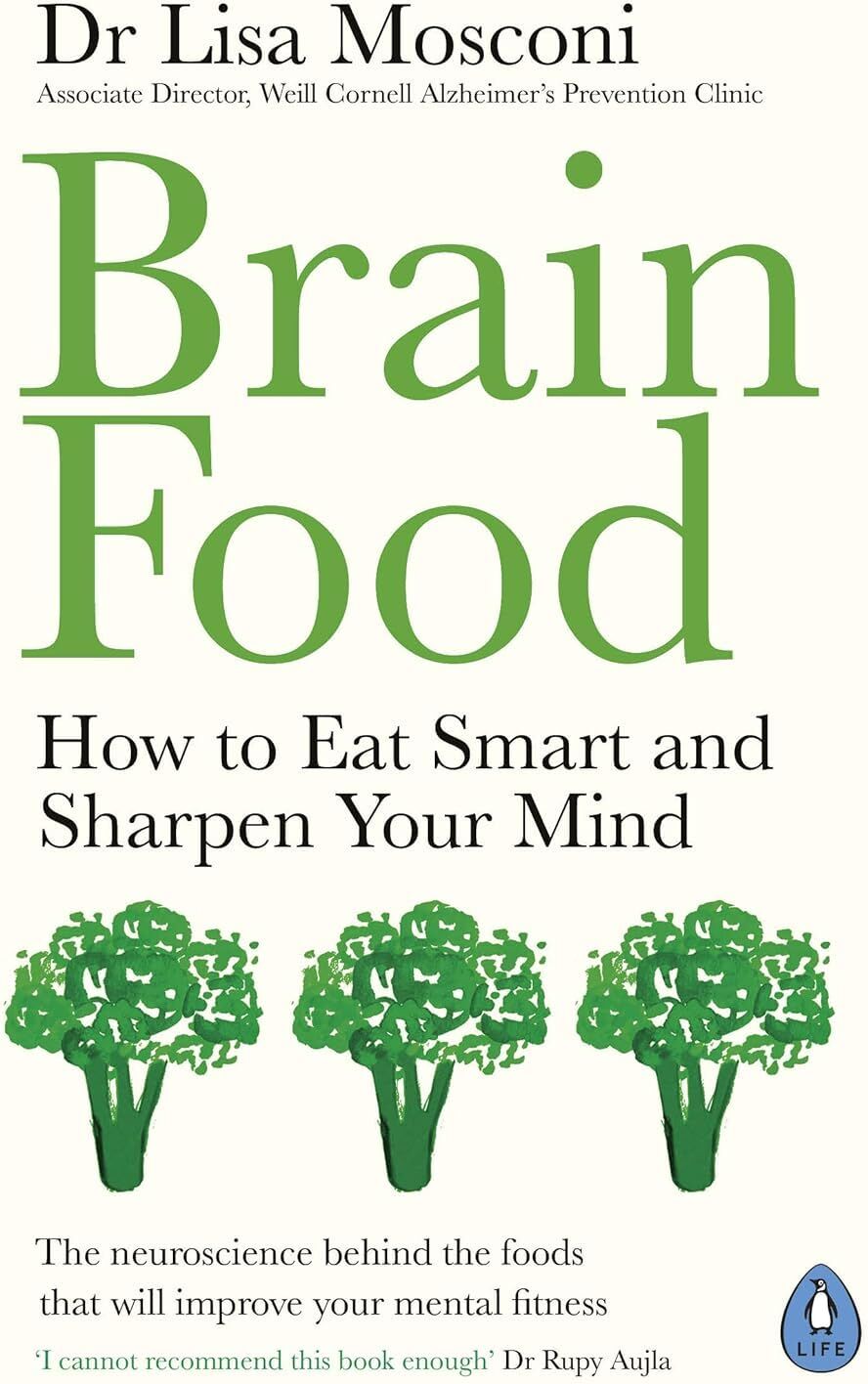
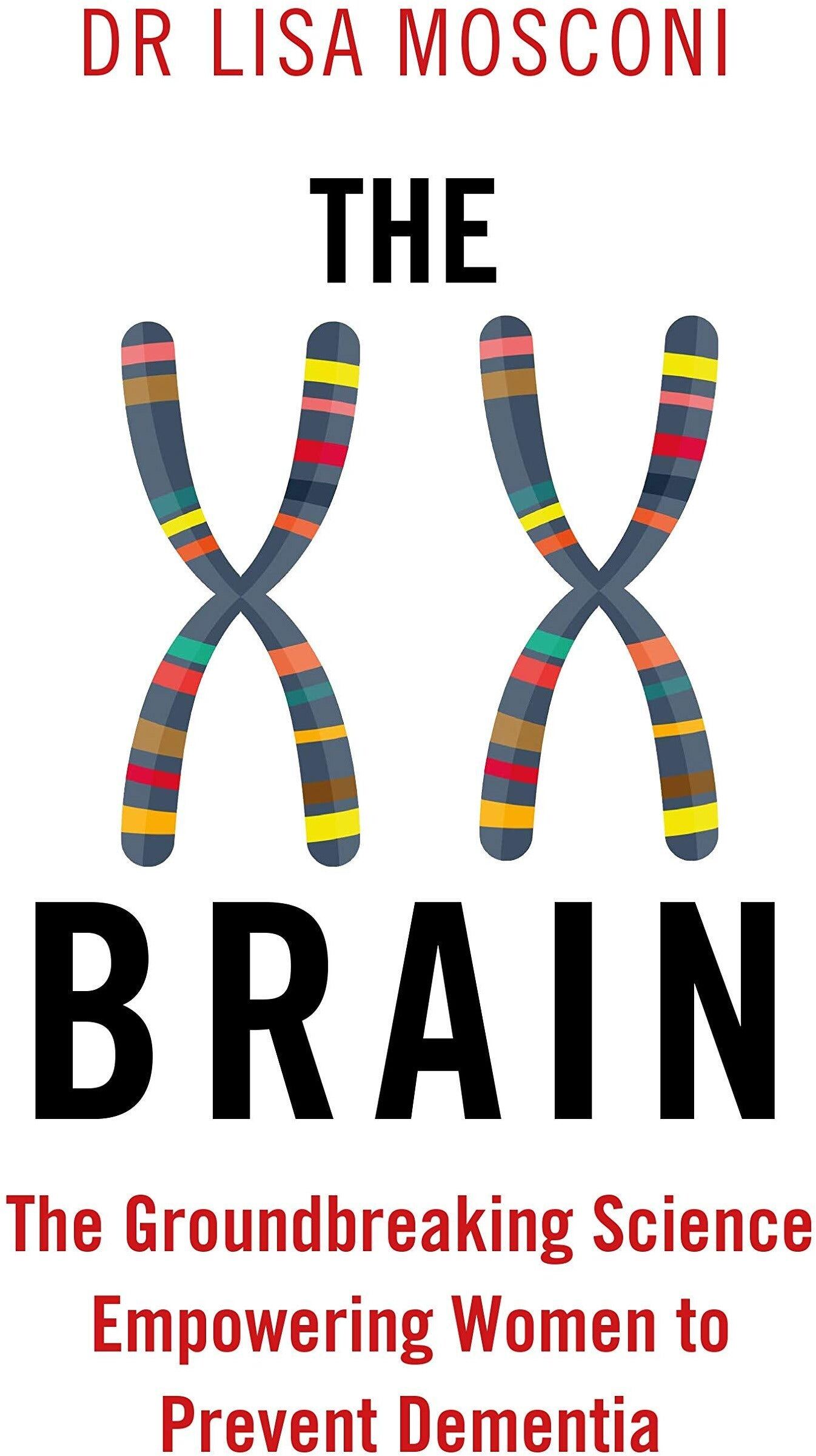
Various The XX Brain & Brain Food 2 Books Collection Set by Dr Lisa Mosconi – Women’s Brain Health CollectionDr Lisa Mosconi 2 Books Set - Brain Food & The XX Brain The XX Brain : The Groundbreaking Science Empowering Women to Prevent Dementia Women are far more likely than men to suffer from anxiety, depression, migraines, brain injuries, strokes and Alzheimer's disease. But, until recently, scientific research has focused on 'bikini medicine,' assuming that women are essentially men with different reproductive organs. The XX Brain presents groundbreaking research showing that women's brains age distinctly from men's, due mostly to the decline of a key brain-protective hormone: estrogen. Taking on all aspects of women's health, including brain fog, memory lapses, depression, stress, insomnia, hormonal imbalances and the increased risk of dementia, Dr. Mosconi introduces cutting-edge, evidence-based methods for protecting the female brain, encompassing diet, stress reduction and sleep. She also examines the effectiveness of hormonal replacement therapy, addresses the perils of environmental toxins and explores the role of our microbiome. Luckily, it is never too late to take care of yourself. Brain Food: How to Eat Smart and Sharpen Your Mind Your diet affects your body but it also affects your brain. Brain Food uses cutting-edge research to highlight the connection between nutrition and our brain's health, busting through pseudoscience and demonstrating how we can all change our diet most effectively. Based partly on her own discoveries, and using emerging science, for example on the connection between the brain and the gut, Dr Lisa Mosconi, an expert in both neuroscience and nutrition, reveals the foods and drinks that can prevent dementia, stress, cognitive decline and memory loss - no matter how old we are. Innovative and timely, and with accompanying brain-boosting recipes and lists of what to eat and what to avoid, Brain Food provides the ultimate plan for maximizing our brain power.9,95 £*Shipping: 2,99 £Secure redirect to the provider
-
Allen & Unwin The XX Brain, Lisa Mosconi, Nervous System, Brain ScienceThe XX Brain, Lisa Mosconi, Nervous System, Brain Science Women are far more likely than men to suffer from anxiety, depression, migraines, brain injuries, strokes and Alzheimer's disease. But, until recently, scientific research has focused on 'bikini medicine,' assuming that women are essentially men with different reproductive organs. The XX Brain presents groundbreaking research showing that women's brains age distinctly from men's, due mostly to the decline of a key brain-protective hormone: estrogen. Taking on all aspects of women's health, including brain fog, memory lapses, depression, stress, insomnia, hormonal imbalances and the increased risk of dementia, Dr. Mosconi introduces cutting-edge, evidence-based methods for protecting the female brain, encompassing diet, stress reduction and sleep. She also examines the effectiveness of hormonal replacement therapy, addresses the perils of environmental toxins and explores the role of our microbiome. Luckily, it is never too late to take care of yourself2,59 £*Shipping: 1,99 £Secure redirect to the provider
-
Inspire Essentials Brain Shape Rebound Squeeze Ball Brain Shape Rebound Squeeze BallGive restless hands something fun and satisfying to squeeze throughout the day. This brain stress ball features a playful braininspired shape with a soft, squeezable feel that rebounds after each press. The compact sensory squeeze toy is easy to...36,98 $*Shipping: 0,00 $Secure redirect to the provider
-
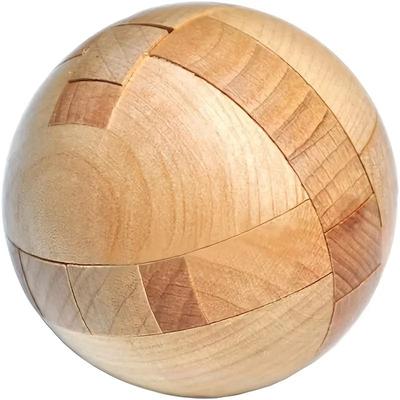
Inspired Finds Harmony Hollow Wooden Puzzle Balls Holiday Decor And Brain Teaser Gift Harmony Hollow Wooden Puzzle Balls Holiday Decor And Brain Teaser GiftBring charm, challenge, and seasonal spirit into any home with the wooden puzzle balls designed for decoration, play, and gifting. These beautifully crafted natural wood spheres are as much an engaging holiday home decor accent as they are a fun,...34,99 $*Shipping: 0,00 $Secure redirect to the provider


-
How does data storage work in the brain?
Data storage in the brain occurs through a process called synaptic plasticity. When we learn something new or experience something, the connections between neurons, called synapses, are strengthened. This allows for the formation of new memories and the storage of information. Additionally, the brain can also reorganize and modify existing connections to accommodate new information. This process of synaptic plasticity enables the brain to store and retrieve vast amounts of information, forming the basis of our memory and cognitive abilities. **
-
How much storage space does a brain have?
The human brain has an estimated storage capacity of 2.5 petabytes, which is equivalent to approximately 2.5 million gigabytes. This immense storage capacity allows the brain to store a vast amount of information, including memories, experiences, and learned knowledge. However, it is important to note that the exact storage capacity of the brain is still not fully understood, and research in this area is ongoing. **
-
How much storage capacity does the human brain have?
The storage capacity of the human brain is not precisely known, but it is estimated to be around 2.5 petabytes (or 2.5 million gigabytes). This estimate is based on the number of neurons in the brain and their potential for creating connections and storing information. However, it is important to note that the brain's storage capacity is not like a computer's hard drive, as it does not store information in a linear or static manner. Instead, the brain's storage and retrieval of information is complex and dynamic, involving the formation and strengthening of connections between neurons. **
-
Why is the brain not perfused during brain death?
During brain death, the brain is not perfused because the heart has stopped beating, leading to the cessation of blood flow to the brain. Without blood flow, the brain is deprived of oxygen and nutrients, leading to irreversible damage and ultimately, death of the brain tissue. This lack of perfusion also means that the brain is unable to carry out its essential functions, such as maintaining consciousness and regulating bodily functions. **


Brain or heart?
Both the brain and the heart are vital organs, but if I had to choose, I would say the brain. The brain is the control center of the body, responsible for processing information, making decisions, and controlling all bodily functions. Without the brain, the body would not be able to function. While the heart is essential for pumping blood and delivering oxygen to the body, the brain ultimately governs all of the body's functions. **
How many gigabytes of storage space does a human brain have?
The human brain does not have gigabytes of storage space like a computer. Instead, the brain's storage capacity is often estimated in terms of its synaptic connections and the number of neurons. It is believed that the human brain has the capacity to store an immense amount of information, estimated to be in the range of 2.5 petabytes (or 2.5 million gigabytes) of information. However, it's important to note that these estimates are still theoretical and not fully understood. **
Top-Angebote
Products related to Brain:
-
Penguin Dr. Lisa Mosconi Collection 3 Books Set (Brain Food, The XX Brain & The Menopause Brain)Dr. Lisa Mosconi Collection 3 Books Set (Brain Food, The XX Brain & The Menopause Brain): Brain Food Brain Food uses cutting-edge research to highlight the connection between nutrition and our brain's health, busting through pseudoscience and demonstrating how we can all change our diet most effectively. Based partly on her own discoveries, and using emerging science, for example on the connection between the brain and the gut, Dr Lisa Mosconi, an expert in both neuroscience and nutrition, reveals the foods and drinks that can prevent dementia, stress, cognitive decline and memory loss - no matter how old we are. The XX Brain The XX Brain presents groundbreaking research showing that women's brains age distinctly from men's, due mostly to the decline of a key brain-protective hormone: estrogen.Taking on all aspects of women's health, including brain fog, memory lapses, depression, stress, insomnia, hormonal imbalances and the increased risk of dementia, Dr. Mosconi introduces cutting-edge, evidence-based methods for protecting the female brain, encompassing diet, stress reduction and sleep. The Menopause Brain Menopause and perimenopause are still baffling to most doctors, leaving patients exasperated as they grapple with symptoms ranging from hot flashes to insomnia to brain fog. As a leading neuroscientist and women's brain health specialist, Dr Mosconi unravels these mysteries by revealing how menopause doesn't just impact the ovaries - it's a hormonal show in which the brain takes centre stage12,99 £*Shipping: 2,99 £Secure redirect to the provider
-
Penguin Life/Allen & Unwin Dr Lisa Mosconi 3 Books Collection Set - Brain Food, The XX Brain, The Menopause Brain - Paperback - Women's Brain Health & NutritionThis collection of three books by Dr. Lisa Mosconi brings together her expertise in neuroscience and nutrition to explore how diet, hormones, and lifestyle impact brain health across a woman's life. The set includes Brain Food, The XX Brain, and The Menopause Brain, offering evidence-based guidance on protecting memory, easing brain fog, and building long-term cognitive resilience. Written for readers, carers, and health professionals, this paperback set provides a comprehensive understanding of brain health and wellness.12,99 £*Shipping: 2,99 £Secure redirect to the provider
-
Various The XX Brain & Brain Food 2 Books Collection Set by Dr Lisa Mosconi – Women’s Brain Health CollectionDr Lisa Mosconi 2 Books Set - Brain Food & The XX Brain The XX Brain : The Groundbreaking Science Empowering Women to Prevent Dementia Women are far more likely than men to suffer from anxiety, depression, migraines, brain injuries, strokes and Alzheimer's disease. But, until recently, scientific research has focused on 'bikini medicine,' assuming that women are essentially men with different reproductive organs. The XX Brain presents groundbreaking research showing that women's brains age distinctly from men's, due mostly to the decline of a key brain-protective hormone: estrogen. Taking on all aspects of women's health, including brain fog, memory lapses, depression, stress, insomnia, hormonal imbalances and the increased risk of dementia, Dr. Mosconi introduces cutting-edge, evidence-based methods for protecting the female brain, encompassing diet, stress reduction and sleep. She also examines the effectiveness of hormonal replacement therapy, addresses the perils of environmental toxins and explores the role of our microbiome. Luckily, it is never too late to take care of yourself. Brain Food: How to Eat Smart and Sharpen Your Mind Your diet affects your body but it also affects your brain. Brain Food uses cutting-edge research to highlight the connection between nutrition and our brain's health, busting through pseudoscience and demonstrating how we can all change our diet most effectively. Based partly on her own discoveries, and using emerging science, for example on the connection between the brain and the gut, Dr Lisa Mosconi, an expert in both neuroscience and nutrition, reveals the foods and drinks that can prevent dementia, stress, cognitive decline and memory loss - no matter how old we are. Innovative and timely, and with accompanying brain-boosting recipes and lists of what to eat and what to avoid, Brain Food provides the ultimate plan for maximizing our brain power.9,95 £*Shipping: 2,99 £Secure redirect to the provider
-
Allen & Unwin The XX Brain, Lisa Mosconi, Nervous System, Brain ScienceThe XX Brain, Lisa Mosconi, Nervous System, Brain Science Women are far more likely than men to suffer from anxiety, depression, migraines, brain injuries, strokes and Alzheimer's disease. But, until recently, scientific research has focused on 'bikini medicine,' assuming that women are essentially men with different reproductive organs. The XX Brain presents groundbreaking research showing that women's brains age distinctly from men's, due mostly to the decline of a key brain-protective hormone: estrogen. Taking on all aspects of women's health, including brain fog, memory lapses, depression, stress, insomnia, hormonal imbalances and the increased risk of dementia, Dr. Mosconi introduces cutting-edge, evidence-based methods for protecting the female brain, encompassing diet, stress reduction and sleep. She also examines the effectiveness of hormonal replacement therapy, addresses the perils of environmental toxins and explores the role of our microbiome. Luckily, it is never too late to take care of yourself2,59 £*Shipping: 1,99 £Secure redirect to the provider
-
Does our brain have unlimited storage capacity?
No, our brain does not have unlimited storage capacity. While the brain is incredibly complex and has the ability to store a vast amount of information, it does have limitations. The exact storage capacity of the brain is not known, but it is believed to be finite. Additionally, as we age, our brain's ability to store and retrieve information may decline, further indicating that it does not have unlimited storage capacity. **
-
What is the storage capacity of the brain?
The storage capacity of the human brain is not precisely known, but it is estimated to be around 2.5 petabytes (or 2.5 million gigabytes). This estimate is based on the number of neurons in the brain and their potential for forming connections with each other. However, it's important to note that the brain's capacity for storing information is not just about the number of neurons, but also about the complexity of the connections between them. The brain's ability to adapt and reorganize itself also plays a role in its overall storage capacity. **
-
How does data storage work in the brain?
Data storage in the brain occurs through a process called synaptic plasticity. When we learn something new or experience something, the connections between neurons, called synapses, are strengthened. This allows for the formation of new memories and the storage of information. Additionally, the brain can also reorganize and modify existing connections to accommodate new information. This process of synaptic plasticity enables the brain to store and retrieve vast amounts of information, forming the basis of our memory and cognitive abilities. **
-
How much storage space does a brain have?
The human brain has an estimated storage capacity of 2.5 petabytes, which is equivalent to approximately 2.5 million gigabytes. This immense storage capacity allows the brain to store a vast amount of information, including memories, experiences, and learned knowledge. However, it is important to note that the exact storage capacity of the brain is still not fully understood, and research in this area is ongoing. **
Similar search terms for Brain
-
Inspire Essentials Brain Shape Rebound Squeeze Ball Brain Shape Rebound Squeeze BallGive restless hands something fun and satisfying to squeeze throughout the day. This brain stress ball features a playful braininspired shape with a soft, squeezable feel that rebounds after each press. The compact sensory squeeze toy is easy to...36,98 $*Shipping: 0,00 $Secure redirect to the provider
-
Inspired Finds Harmony Hollow Wooden Puzzle Balls Holiday Decor And Brain Teaser Gift Harmony Hollow Wooden Puzzle Balls Holiday Decor And Brain Teaser GiftBring charm, challenge, and seasonal spirit into any home with the wooden puzzle balls designed for decoration, play, and gifting. These beautifully crafted natural wood spheres are as much an engaging holiday home decor accent as they are a fun,...34,99 $*Shipping: 0,00 $Secure redirect to the provider
-
Allen & Unwin The Menopause Brain & Brain Food 2 Books Set By Dr Lisa MosconiThe Menopause Brain & Brain Food How to Eat Smart and Sharpen Your Mind By Dr Lisa Mosconi 2 Books Collection Set: The Menopause Brain: Menopause and perimenopause are still baffling to most doctors, leaving patients exasperated as they grapple with symptoms ranging from hot flashes to insomnia to brain fog. As a leading neuroscientist and women's brain health specialist, Dr Mosconi unravels these mysteries by revealing how menopause doesn't just impact the ovaries - it's a hormonal show in which the brain takes centre stage.The decline of the hormone estrogen during menopause influences everything from body temperature to mood to memory, potentially paving the way for cognitive decline later in life. To conquer these challenges successfully, Dr. Mosconi brings us the latest approaches - explaining the role of cutting-edge hormone replacement therapies like 'designer estrogens,' hormonal contraception and key lifestyle changes encompassing diet, exercise and self-care. Brain Food: How to Eat Smart and Sharpen Your Mind: Brain Food uses cutting-edge research to highlight the connection between nutrition and our brain's health, busting through pseudoscience and demonstrating how we can all change our diet most effectively. Based partly on her own discoveries, and using emerging science, for example on the connection between the brain and the gut, Dr Lisa Mosconi, an expert in both neuroscience and nutrition, reveals the foods and drinks that can prevent dementia, stress, cognitive decline and memory loss - no matter how old we are.Innovative and timely, and with accompanying brain-boosting recipes and lists of what to eat and what to avoid, Brain Food provides the ultimate plan for maximizing our brain power. 9781838957490 / 97802413817799,95 £*Shipping: 2,99 £Secure redirect to the provider
-
Various Publishers The Menopause Brain & Brain Food 2 Books Collection Set by Dr Lisa Mosconi - Paperback - Adult Non Fiction - Women's Brain Health & Nutrition GuidesThis two-book paperback collection from neuroscientist Dr Lisa Mosconi pairs her Sunday Times bestseller The Menopause Brain with her acclaimed nutrition guide Brain Food. Together they offer a joined-up, evidence-based approach to protecting cognitive health through midlife hormonal change and everyday eating habits, making this set ideal for anyone approaching perimenopause, supporting a loved one, or simply wanting practical, science-led guidance on long-term brain health. The Menopause Brain explains why menopause and perimenopause remain poorly understood by many doctors, leaving women to navigate hot flushes, insomnia, mood changes and brain fog with little clear guidance. Dr Mosconi, a leading neuroscientist and women's health expert, provides a comprehensive understanding of the menopause brain and offers actionable advice on how to support brain health during this life stage. Brain Food provides a detailed guide to nutrition and its impact on cognitive function, offering a range of evidence-based recommendations for healthy eating. This collection is a valuable resource for anyone looking to take control of their brain health and well-being during midlife.12,99 £*Shipping: 2,99 £Secure redirect to the provider
-
How much storage capacity does the human brain have?
The storage capacity of the human brain is not precisely known, but it is estimated to be around 2.5 petabytes (or 2.5 million gigabytes). This estimate is based on the number of neurons in the brain and their potential for creating connections and storing information. However, it is important to note that the brain's storage capacity is not like a computer's hard drive, as it does not store information in a linear or static manner. Instead, the brain's storage and retrieval of information is complex and dynamic, involving the formation and strengthening of connections between neurons. **
-
Why is the brain not perfused during brain death?
During brain death, the brain is not perfused because the heart has stopped beating, leading to the cessation of blood flow to the brain. Without blood flow, the brain is deprived of oxygen and nutrients, leading to irreversible damage and ultimately, death of the brain tissue. This lack of perfusion also means that the brain is unable to carry out its essential functions, such as maintaining consciousness and regulating bodily functions. **
-
Brain or heart?
Both the brain and the heart are vital organs, but if I had to choose, I would say the brain. The brain is the control center of the body, responsible for processing information, making decisions, and controlling all bodily functions. Without the brain, the body would not be able to function. While the heart is essential for pumping blood and delivering oxygen to the body, the brain ultimately governs all of the body's functions. **
-
How many gigabytes of storage space does a human brain have?
The human brain does not have gigabytes of storage space like a computer. Instead, the brain's storage capacity is often estimated in terms of its synaptic connections and the number of neurons. It is believed that the human brain has the capacity to store an immense amount of information, estimated to be in the range of 2.5 petabytes (or 2.5 million gigabytes) of information. However, it's important to note that these estimates are still theoretical and not fully understood. **
* All prices are inclusive of VAT and, if applicable, plus shipping costs. The offer information is based on the details provided by the respective shop and is updated through automated processes. Real-time updates do not occur, so deviations can occur in individual cases. ** Note: Parts of this content were created by AI.